
Why Highly Sensitive People Burn Out in Therapy (When Insight Outpaces Regulation)
Highly sensitive people often enter therapy with deep insight — yet still feel overwhelmed. Discover why nervous system regulation matters more than analysis alone, and how healing happens at the speed of safety.
RegisteredWitch.com
2/12/20262 min read
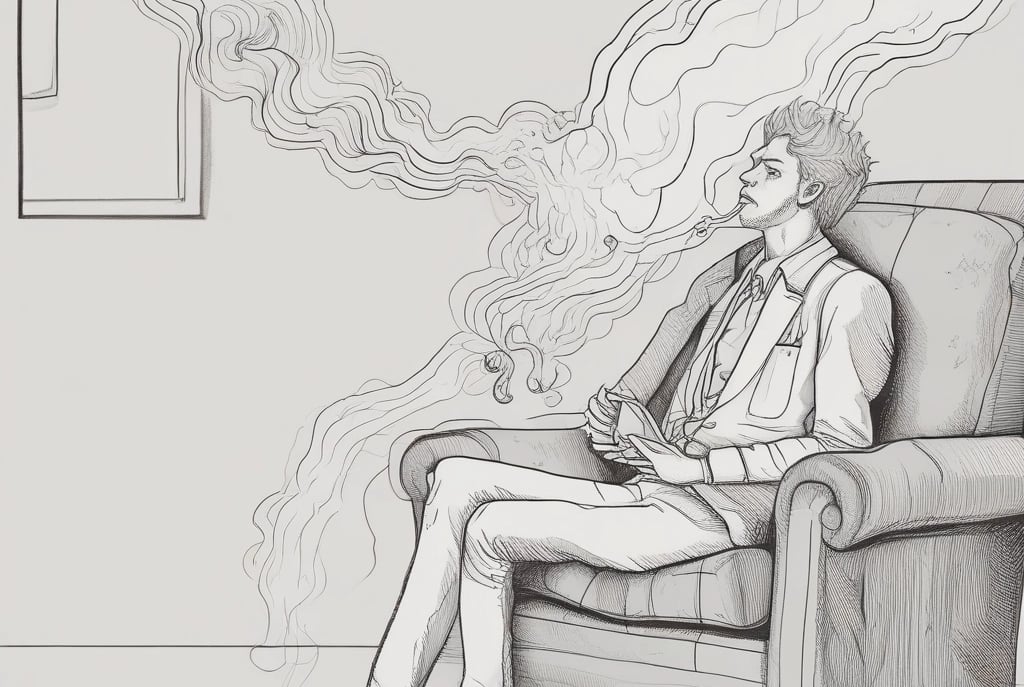
Many highly sensitive people enter therapy already aware.
They understand their patterns. They can name their wounds. They often recognize dynamics before they are spoken aloud.
Yet despite this insight, they may leave therapy feeling more dysregulated, exhausted, or subtly broken.
This burnout is not a personal failure — it is often a mismatch of pace and approach.
The Nervous System Processes Faster Than the Mind Can Integrate
Highly sensitive nervous systems process more information.
Emotional nuance, relational shifts, and internal cues are registered quickly and deeply.
When therapy focuses primarily on analysis, narrative repetition, or emotional exposure without sufficient regulation, the system can become overwhelmed.
Insight without safety does not integrate.
If we shame ourselves each time we gain insight or recognize a pattern, we do not feel safe to keep noticing. Or we begin to find false comfort in the shaming itself.
Once we realize that shaming is one of our patterns, we can start shaming ourselves for shaming ourselves. It becomes meta very quickly.
What is needed instead is love.
Love for ourselves.
Love for the part that shames.
Love for the patterns that once protected us.
It is okay to pause.
It is okay to focus on feeling safe.
Often it is not “us” reacting — it is the four-year-old version of us trying to protect us from pain.
That part has helped us survive. It deserves compassion, not punishment.
Reprocessing Without Regulation Creates Burnout
For sensitive systems, repeatedly revisiting painful material can reinforce activation rather than resolve it.
The nervous system may comply cognitively while remaining in protection physiologically.
Over time this creates confusion:
“I understand why this hurts — so why doesn’t it stop?”
Healing does not occur at the speed of understanding.
It occurs at the speed of regulation.
What Highly Sensitive People Often Need in Therapy
Highly sensitive people often need approaches that prioritize:
Nervous system safety before emotional excavation
Subtle awareness over repeated retelling
Permission to pause rather than push through
Respect for intuition as early information
When these elements are missing, therapy can unintentionally teach the system to override itself — to keep talking even when something inside is bracing or withdrawing.
Burnout arises when the body is asked to process more than it can safely integrate.
Story Work vs Regulation Work
Therapy often deep dives into the story.
Story is important — until it’s not.
For some people, deep dives can keep them looping inside the narrative rather than releasing it.
Many sensitive people identify as empaths. Empaths often receive intuitive information through emotions. While everyone has this capacity, for empaths it is their most refined channel.
For them, it is important to learn how to receive the information of an emotion without activating the chemical stress response of that emotion.
This is a practice.
Practicing Regulation in Real Time
Start by noticing every time you get triggered — simply notice, without shaming yourself.
Then begin noticing earlier — before the full chemical reaction activates.
With practice, you will start to recognize the frequency of the emotion before it becomes a full physiological response.
And sometimes it will still activate — and that is okay too.
The goal is not perfection.
The goal is safety.
Sensitivity Is Capacity, Not Fragility
This does not mean therapy is wrong.
It means some nervous systems require:
Gentle entry points
Spacious pacing
Greater attention to present-moment regulation
At RegisteredWitch.com, sensitivity is treated as capacity, not fragility.
Healing is approached through awareness, intuition, and regulation rather than exposure alone.
When the system feels safe, integration happens naturally — without force.
For many sensitive people, healing begins not with more effort, but with relief.